Using AI to Streamline Design Change: A Practical Approach for Engineers
ByMarc Young, Managing Partner, xLM Solutions
Marc Young of xLM Solutions shares key insights from a recent session with bananaz on how embedded AI is being used to improve design change accuracy and speed – without disrupting existing CAD or PDM workflows.

Change is a constant in engineering. But managing it – cleanly, accurately, and at speed – is still a persistent challenge for design teams, especially when processes span multiple systems, stakeholders, and formats. That’s exactly why we hosted our latest webinar, “How to Streamline Design Change with AI-Powered Intelligence and Speed.” The session explored new approaches to design validation using embedded AI with bananaz – not as a replacement for PDM/PLM or CAD systems, but as a complement to them. You can watch the full recording here: Access the webinar on demand. The goal was simple: to show how engineering organizations can reduce the time, effort, and risk involved in design change using tools that integrate directly into their existing workflows.
Design Change: Where Complexity Bottlenecks
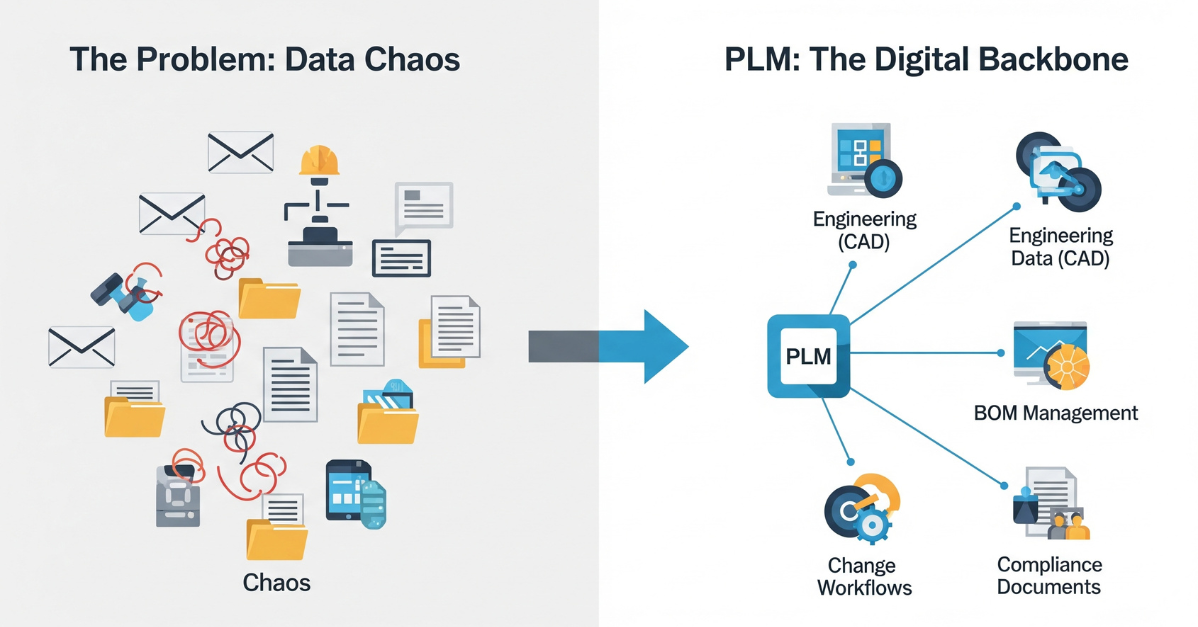
As I shared during the session, design change is one of the most labor-intensive and error-prone stages in product development – even for companies with mature PLM strategies. We’ve seen this firsthand across industries: aerospace, defense, medical devices, industrial equipment, and more. Why does it bottleneck? Because tracking, comparing, validating, and documenting changes still depends heavily on manual processes:- Reviewing 2D/3D revisions by eye
- Annotating drawing markups across tools and formats
- Drafting ECO descriptions and inspection summaries manually
- Verifying compliance with standards late in the process
- Looping in multiple reviewers with no single source of truth

A New Class of Tools, Built for the Work Engineers Actually Do
That’s where our partner, bananaz, comes in. We invited their co-founder and CEO, Or Israel, to walk through how their embedded AI platform is helping mechanical engineers and design teams catch changes earlier, enforce standards more consistently, and streamline feedback and approvals. What stood out during the session was the level of precision: This isn’t just about identifying that something changed. It’s about detecting what changed, classifying how it changed, and linking those changes to form, fit, and function – across both 2D drawings and 3D models. Specific capabilities we explored included:- AI-based drawing and model comparison (with clear flagging of modifications, deletions, and insertions)
- Real-time collaboration and markup tools, built directly into CAD workflows
- Auto-generated ECO documentation and inspection reports
- Custom rule enforcement, tailored to internal standards or compliance needs
- Traceable approval paths, all captured in a centralized system
What This Means for Engineering Teams
From our vantage point at xLM, the promise of AI in PLM is not automation for its own sake—it’s clarity and speed where complexity tends to stall. It’s helping engineers:- Review more confidently
- Approve more quickly
- Document more completely
- And reduce rework before it starts